Don't miss our Promo - up to 50% OFF!

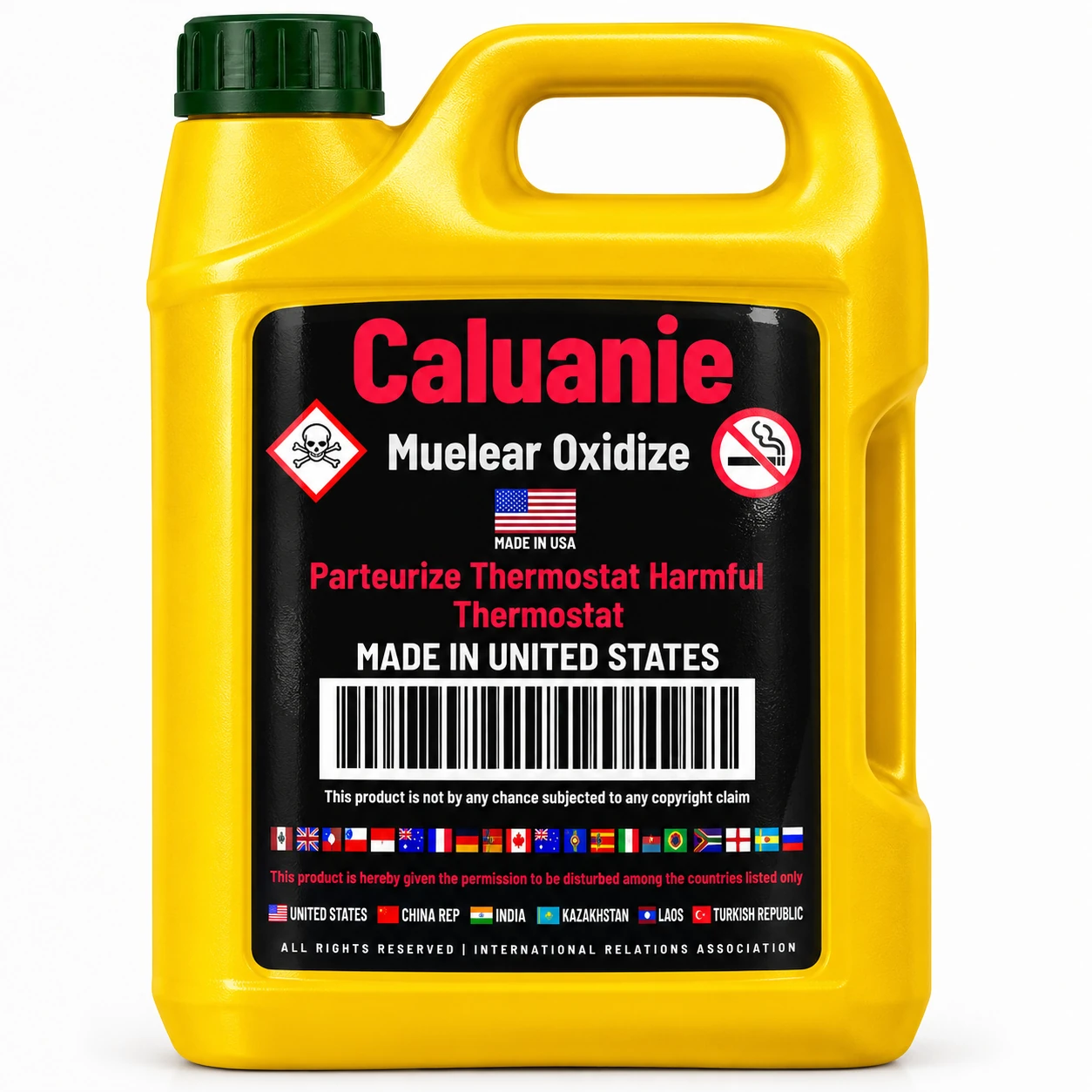
Caluanie Muelear Oxidize Procurement Guide

Safety Data Sheets are especially important because they organize essential information about identification, hazards, composition, first-aid measures, firefighting measures, accidental release procedures, handling, storage, exposure controls, physical properties, stability, toxicology, transport, disposal, and regulatory information. OSHA describes the standardized SDS format as a key component of hazard communication. Professional purchasers should therefore review the supplier-issued SDS with appropriately qualified personnel and use it together with workplace procedures and applicable regulatory requirements before receiving, storing, transporting, or handling an industrial chemical safely and responsibly.
Supplier evaluation should consider more than the lowest advertised price. Buyers may compare responsiveness, product documentation, packaging clarity, quotation detail, payment terms, shipping arrangements, order records, and company information across the website, invoices, and correspondence. Clear information reduces ambiguity and gives purchasing teams a stronger basis for internal approval. Where a supplier cannot substantiate a technical or compliance claim, buyers should request clarification before proceeding.
Hi, this is a comment.
To get started with moderating, editing, and deleting comments, please visit the Comments screen in the dashboard.
Commenter avatars come from Gravatar.